

University of Greater Manchester
Deane Road, Bolton, BL3 5AB.
Back to menu
Back to menu
Study with an Off-Campus Partner
Back to menu
08/12/2025
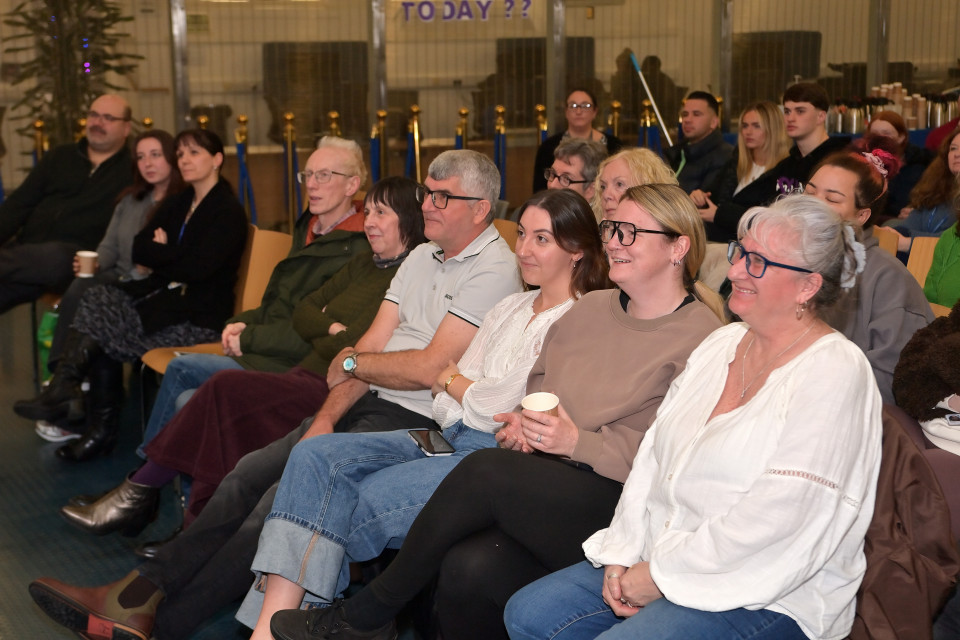
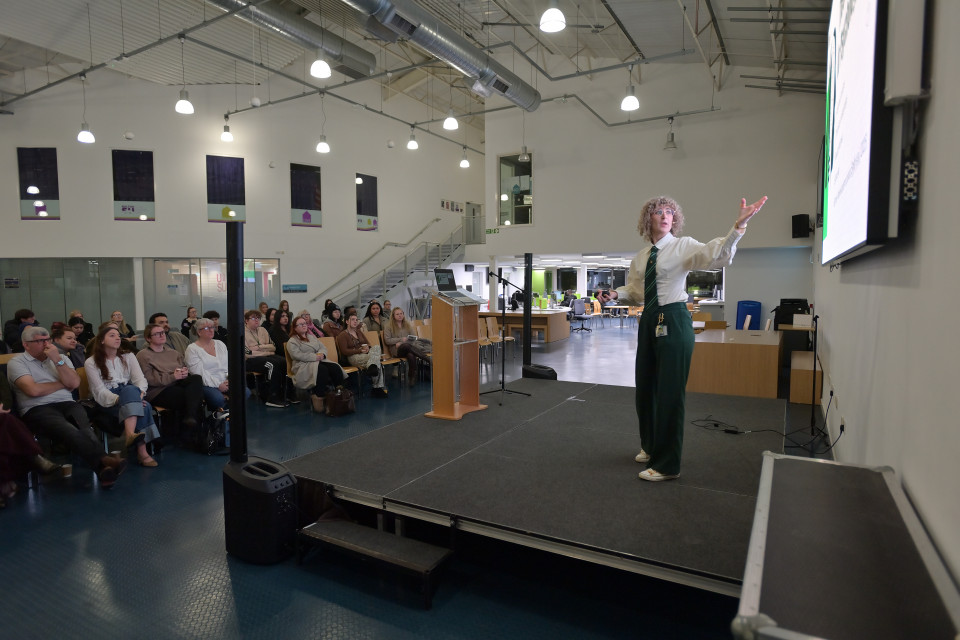
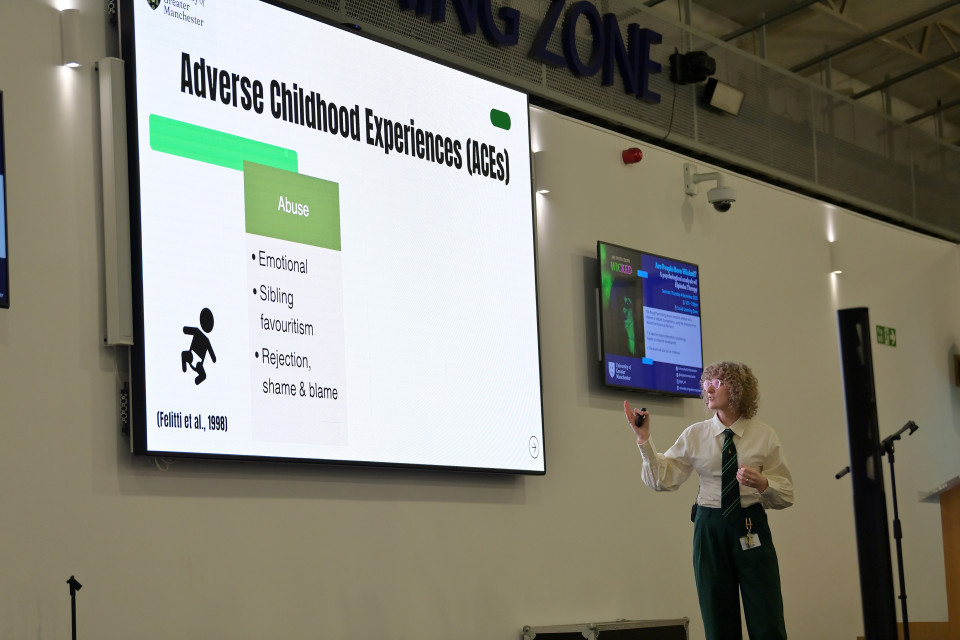
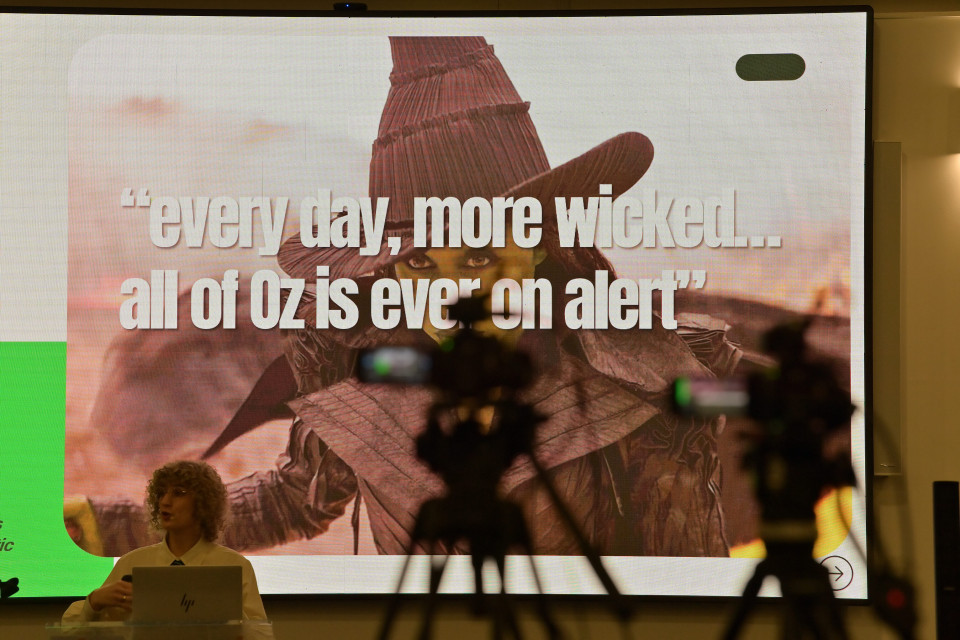
Senior Lecturer, Dr Samantha M Walkden, hosted a public engagement seminar on behalf of the School of Psychology, posing the question: Are people born wicked? Or did they have wickedness thrust upon them?
The event coincided with the release of the second film in the Wicked franchise Wicked: For Good.
The seminar, 'Are People Born Wicked?: A Psychological Analysis of Elphaba Thropp', took place in the University’s Social Learning Zone on Thursday 4 December.
It was a huge hit, attracting more than 300 attendees both in-person and online.
Here’s what some attendees had to say about the seminar: “An absolute triumph. Brilliant talk. I think contextualising academia in popular culture is a great way to help people learn.”
Sam is amazing! I agree that wicked is a perception, but I also think it’s easy to fall into the judgement of ‘they are wicked,’ especially if you’ve only seen The Wizard of Oz and not Wicked. I’m always very mindful anyway, but it’s just a good reminder.”
While knowledge of The Wizard of Oz and Wicked added extra sparkle, Samantha assured attendees it wasn’t essential.
A self-confessed fan of the musical, Samantha provided background on the Elphaba's character and quoted evidence from songs and characters in the musical.
Making links with various psychological theories and principles including confirmation bias, adverse childhood experiences, and labelling theory, the attendees were able to experience how theories and principles can be applied to a fictional case study.
Samantha said: “Fans of the musical will recognise the lyric ‘are people born wicked? Or do they have wickedness thrust upon them?’ from No One Mourns the Wicked and that question sits right at the heart of psychology’s classic ‘nature vs nurture’ debate.”
She explained how most psychologists believe behaviour is shaped by a blend of biological, social, developmental and cognitive influences. “In Elphaba’s case, I explored all perspectives and drew from psychological theory to reach a conclusion,” she added.
Samantha said: “I’ve loved Wicked since my teens, my best friend and I used to record ourselves performing the songs! Using Elphaba as a case study felt like a perfect way to make the nature vs nurture debate more accessible and fun.
"I hope this inspires more people to pursue studying psychology, and encourages other academics to incorporate case studies like this within their teaching to support their students' learning."
If you missed the talk, don’t worry, you can watch the recording online via YouTube here https://www.youtube.com/watch?v=zew8GrdTsKA
Download the app for your smartphone from: